
















Blog

  • Complete University Scholarship Guide 2024

    Your Ultimate Resource for Securing Financial Aid and Merit-Based Scholarships

    $46 Billion

    Available in scholarships annually in the United States alone

    Introduction: Unlocking Your Path to Higher Education

    Navigating the world of university scholarships can be overwhelming, but understanding the landscape of financial aid opportunities is crucial for students and families seeking to reduce the burden of college expenses. With tuition costs rising annually and student debt reaching unprecedented levels, scholarships represent one of the most effective ways to fund higher education without accumulating debt.

    The scholarship ecosystem is vast and diverse, offering opportunities for students across all academic disciplines, backgrounds, and financial situations. From merit-based scholarships that reward academic excellence to need-based financial aid programs designed to support economically disadvantaged students, the options are extensive. This comprehensive guide will explore every facet of university scholarships, providing actionable insights and strategies to maximize your chances of securing financial support.

    Key Statistics: The Scholarship Landscape

    • Over 1.7 million private scholarships are available annually
    • The average scholarship award ranges from $2,000 to $5,000
    • Full-ride scholarships cover 100% of tuition, room, and board
    • Only 7% of students receive private scholarships, leaving significant opportunities untapped
    • Scholarship applications have increased by 23% in the past five years

    Understanding Scholarship Categories: A Comprehensive Breakdown

    1. Merit-Based Scholarships: Rewarding Academic Excellence

    Merit-based scholarships are among the most competitive and prestigious forms of financial aid. These awards recognize students who demonstrate exceptional academic achievement, leadership qualities, artistic talents, or other outstanding abilities. Unlike need-based aid, merit scholarships are awarded based on performance rather than financial circumstances.

    Types of Merit Scholarships

    Academic Excellence Scholarships reward students with high GPAs, impressive standardized test scores (SAT/ACT), and rigorous course loads. Top universities often offer full-ride scholarships to National Merit Scholars, valedictorians, and students with exceptional academic records. These scholarships typically require maintaining a minimum GPA (usually 3.5 or higher) throughout college.

    Leadership Scholarships recognize students who have demonstrated significant leadership in their communities, schools, or extracurricular activities. These programs value initiative, innovation, and the ability to inspire others. Examples include student government presidents, club founders, community organizers, and youth program leaders.

    Talent-Based Scholarships support students with exceptional abilities in areas such as music, art, theater, writing, or athletics. These scholarships often require portfolios, auditions, or performance evaluations. Many universities offer substantial awards to talented students who can enhance their campus communities.

    2. Need-Based Financial Aid: Supporting Economic Diversity

    Need-based financial aid is designed to make higher education accessible to students from low-income and middle-income families. The primary determinant for need-based aid is the Expected Family Contribution (EFC), calculated through the Free Application for Federal Student Aid (FAFSA).

    Federal Need-Based Programs

    The Pell Grant is the largest federal grant program, providing up to $7,395 per year (2024-2025) to undergraduate students with exceptional financial need. Unlike loans, Pell Grants don’t require repayment. Eligibility is determined by FAFSA results, and awards are prorated based on enrollment status.

    Federal Supplemental Educational Opportunity Grant (FSEOG) provides additional aid ranging from $100 to $4,000 per year to students with the greatest financial need. These grants are administered directly by colleges, and availability varies by institution.

    Work-Study Programs offer part-time employment opportunities for students with financial need. These positions are often on-campus and designed to accommodate academic schedules. Work-study earnings don’t count against financial aid eligibility in the same way other income might.

    3. Athletic Scholarships: Combining Sports and Academics

    Athletic scholarships represent a significant portion of financial aid at Division I and Division II schools. The National Collegiate Athletic Association (NCAA) regulates these scholarships, which can cover partial or full tuition, room, board, and fees. Division III schools don’t offer athletic scholarships but may provide need-based or merit aid to athletes.

    To qualify for athletic scholarships, students must meet NCAA eligibility requirements, including minimum GPA standards, standardized test scores, and completion of required high school courses. The recruiting process typically begins in junior year of high school, with coaches evaluating athletes through competitions, showcases, and video submissions.

    4. International Student Scholarships: Global Opportunities

    International student scholarships help non-U.S. citizens access American higher education. These programs recognize that international students often face higher tuition rates and limited financial aid options. Many universities offer merit-based scholarships specifically for international applicants, while some countries provide government-sponsored programs.

    Popular programs include the Fulbright Foreign Student Program, which provides full funding for graduate study, and university-specific international scholarships. International students should also explore scholarships from their home countries, private foundations, and international organizations.

    5. Major-Specific and Career-Focused Scholarships

    Many scholarships target students pursuing specific fields of study. STEM scholarships (Science, Technology, Engineering, Mathematics) are particularly abundant, with organizations like the National Science Foundation and private tech companies offering substantial awards. Business scholarshipshealthcare scholarships, and education scholarships are also widely available.

    These field-specific scholarships often come with additional benefits, including internships, mentorship programs, and networking opportunities. Some programs require recipients to work in specific industries or underserved areas after graduation.

    6. Demographic and Identity-Based Scholarships

    Scholarships based on demographic factors help promote diversity and support underrepresented groups in higher education. These include scholarships for:

    • First-generation college students: Supporting students whose parents didn’t attend college
    • Minority scholarships: Promoting diversity in higher education
    • Women in STEM: Addressing gender gaps in science and technology fields
    • LGBTQ+ scholarships: Supporting LGBTQ+ students and allies
    • Veteran and military family scholarships: Honoring service members and their families
    • Students with disabilities: Ensuring accessibility in higher education

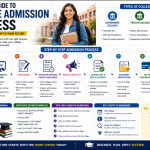
    The Scholarship Application Process: A Step-by-Step Guide

    Step 1: Research and Discovery

    Effective scholarship searching requires a strategic approach. Begin by exploring multiple sources:

    • University financial aid offices: Each institution maintains lists of available scholarships
    • Online databases: Websites like Fastweb, Scholarships.com, and College Board’s BigFuture
    • Professional organizations: Industry-specific associations often offer scholarships
    • Community foundations: Local organizations frequently provide regional scholarships
    • Employer programs: Many companies offer scholarships for employees and their children

    Step 2: Organizing Your Application Materials

    Successful scholarship applications require careful preparation. Create a comprehensive application portfolio including:

    • Academic transcripts: Official copies showing GPA and course rigor
    • Standardized test scores: SAT, ACT, AP, or IB exam results
    • Letters of recommendation: Typically 2-3 from teachers, counselors, or community leaders
    • Resume or CV: Highlighting achievements, activities, and leadership roles
    • Personal statement or essay: Tailored to each scholarship’s requirements
    • Financial documentation: For need-based scholarships (FAFSA, tax returns)

    Step 3: Crafting Compelling Scholarship Essays

    The scholarship essay is often the most critical component of your application. Effective essays should:

    • Tell your unique story: Share personal experiences that shaped your goals
    • Demonstrate passion: Show genuine enthusiasm for your field of study
    • Highlight impact: Explain how you’ve made a difference in your community
    • Connect to the scholarship: Align your goals with the scholarship’s mission
    • Show future potential: Illustrate how the scholarship will help you achieve your aspirations

    Essay Writing Tips

    Start early, write multiple drafts, seek feedback from teachers or mentors, and ensure your essay addresses all prompt requirements. Avoid generic statements and clichés. Instead, use specific examples and vivid details that make your story memorable.

    Step 4: Meeting Deadlines and Requirements

    Scholarship deadlines are non-negotiable. Create a calendar tracking all application deadlines, required materials, and submission methods. Many scholarships have early deadlines, so starting your search in junior year of high school is advisable.

    Pay careful attention to eligibility requirements. Some scholarships have specific criteria regarding:

    • Geographic location (state, city, or region)
    • Academic major or intended field of study
    • Minimum GPA or test score thresholds
    • Enrollment status (full-time vs. part-time)
    • Citizenship or residency requirements

    Maximizing Your Scholarship Success: Proven Strategies

    Strategy 1: Apply Broadly and Strategically

    Successful scholarship seekers apply to multiple opportunities, but quality matters more than quantity. Focus on scholarships where you meet most or all eligibility requirements. A targeted approach of 10-15 well-matched applications is more effective than 50 generic submissions.

    Strategy 2: Leverage Local Opportunities

    Local scholarships often have less competition than national programs. Explore opportunities from:

    • Community foundations and civic organizations
    • Local businesses and chambers of commerce
    • Religious organizations and community centers
    • High school-specific scholarships
    • Regional professional associations

    Strategy 3: Build a Strong Application Profile

    Long before application season, focus on building a compelling profile:

    • Maintain high academic performance: GPA and test scores open doors
    • Pursue leadership roles: Student government, clubs, or community organizations
    • Engage in meaningful volunteer work: Demonstrate commitment to service
    • Develop unique talents: Arts, athletics, or specialized skills
    • Seek internships or work experience: Show real-world engagement

    Strategy 4: Network and Seek Recommendations

    Strong letters of recommendation can significantly strengthen your application. Build relationships with teachers, counselors, employers, and community leaders who can speak to your character, achievements, and potential. Provide recommenders with your resume, essay drafts, and information about the scholarship to help them write compelling letters.

    High-Value Scholarship Opportunities: Top Programs to Consider

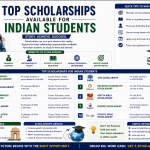
    Scholarship ProgramAward AmountEligibilityApplication Deadline
    Gates ScholarshipFull Cost of AttendanceHigh-achieving, low-income minority studentsSeptember (varies annually)
    Rhodes ScholarshipFull funding for OxfordExceptional academic and leadership recordOctober
    National Merit Scholarship$2,500 – Full RideTop PSAT/NMSQT scoresOctober (test date)
    Coca-Cola Scholars Program$20,000High school seniors with leadershipOctober
    Dell Scholars Program$20,000 + Support ServicesLow-income, first-generation studentsDecember
    Jack Kent Cooke ScholarshipUp to $55,000/yearHigh-achieving students with financial needNovember

    FAFSA and Financial Aid: The Foundation of Need-Based Aid

    The Free Application for Federal Student Aid (FAFSA) is the gateway to federal financial aid, including grants, loans, and work-study programs. Completing the FAFSA is essential for accessing need-based aid, and many states and colleges also use FAFSA data to determine eligibility for their programs.

    FAFSA Application Process

    The FAFSA opens on October 1st each year for the following academic year. Early submission is crucial, as some aid programs have limited funding. The application requires:

    • Social Security Number or Alien Registration Number
    • Federal income tax returns, W-2s, and other financial records
    • Bank statements and investment records
    • List of schools you’re considering (up to 10)

    After submission, you’ll receive a Student Aid Report (SAR) showing your Expected Family Contribution (EFC). Colleges use this information to create financial aid packages combining grants, scholarships, loans, and work-study.

    Understanding Your Financial Aid Package

    Financial aid packages vary significantly between institutions. When comparing offers, consider:

    • Gift aid: Grants and scholarships (don’t require repayment)
    • Self-help aid: Loans and work-study (require repayment or work)
    • Net price: Total cost minus gift aid
    • Renewability: Whether scholarships continue for all four years

    Common Scholarship Mistakes to Avoid

    Many students inadvertently reduce their scholarship chances through avoidable errors:

    Mistake 1: Missing Deadlines

    Late applications are automatically disqualified. Use calendar reminders and create a detailed timeline for each scholarship.

    Mistake 2: Generic Applications

    Tailor each application to the specific scholarship. Generic essays and materials are easily identified and rarely successful.

    Mistake 3: Ignoring Small Scholarships

    While large scholarships are attractive, smaller awards ($500-$2,000) often have less competition and can accumulate significantly.

    Mistake 4: Incomplete Applications

    Missing required materials or incomplete forms result in automatic rejection. Double-check all requirements before submitting.

    Mistake 5: Poor Essay Quality

    Grammatical errors, unclear writing, and failure to address prompts directly undermine otherwise strong applications.

    Scholarship Renewal and Maintenance

    Many scholarships require recipients to maintain specific standards to continue receiving funding. Common requirements include:

    • Minimum GPA: Typically 3.0-3.5, though some require higher
    • Full-time enrollment: Usually 12+ credit hours per semester
    • Academic progress: Completing a certain percentage of attempted credits
    • Community service: Some scholarships require volunteer hours
    • Major requirements: Field-specific scholarships may require staying in the designated major

    Understanding renewal requirements helps you plan your college career and maintain eligibility throughout your degree program.

    Frequently Asked Questions (Q&A)

    Q: When should I start applying for scholarships?

    A: Begin researching scholarships in your junior year of high school, and start applying as early as possible. Many scholarships have deadlines in the fall of senior year, so having materials prepared in advance is crucial. Some programs even accept applications from younger students.

    Q: Can I apply for scholarships if I’m already in college?

    A: Absolutely! Many scholarships are available for current college students, including transfer students, graduate students, and those pursuing specific majors. Don’t assume scholarship opportunities end after high school graduation.

    Q: Do I need to pay taxes on scholarship money?

    A: Scholarship funds used for qualified educational expenses (tuition, fees, books, supplies, equipment) are generally tax-free. However, amounts used for room, board, travel, or other non-qualified expenses may be taxable. Consult a tax professional for specific guidance.

    Q: How many scholarships should I apply for?

    A: Quality over quantity is key. Focus on 10-20 well-matched scholarships where you meet most eligibility requirements. Better to submit fewer, high-quality applications than many generic ones. However, don’t limit yourself—if you have time and meet requirements, apply broadly.

    Q: What’s the difference between a scholarship and a grant?

    A: Both are “free money” that doesn’t require repayment. Scholarships are typically merit-based (academic, athletic, talent) or awarded by private organizations. Grants are usually need-based and often come from federal or state governments. The terms are sometimes used interchangeably.

    Q: Can I receive multiple scholarships?

    A: Yes! You can receive multiple scholarships, though total aid cannot exceed your cost of attendance. Universities will adjust your financial aid package if you receive external scholarships. Always notify your financial aid office about outside awards.

    Q: What if my GPA isn’t perfect? Can I still get scholarships?

    A: Absolutely! While high GPAs help, many scholarships consider factors beyond grades, including financial need, community service, leadership, unique talents, essays, and personal circumstances. Don’t let a less-than-perfect GPA discourage you from applying.

    Q: Are there scholarships for graduate school?

    A: Yes, numerous scholarships and fellowships exist for graduate students. These include discipline-specific awards, research fellowships, teaching assistantships, and programs like the Fulbright, Rhodes, and Marshall scholarships for international study.

    Q: How do I know if a scholarship is legitimate?

    A: Legitimate scholarships never require payment to apply. Warning signs include: application fees, guaranteed winnings, requests for bank account information, and pressure to act immediately. Research the organization, check with your school’s financial aid office, and trust your instincts.

    Q: What should I do if I don’t win any scholarships?

    A: Don’t give up! Continue applying throughout college, explore need-based aid through FAFSA, consider work-study programs, look into student loans (federal loans first), and investigate payment plans. Many students receive scholarships in later years after building stronger academic records.

    Resources and Additional Information

    Official Government Resources

    Scholarship Search Platforms

    • Fastweb – Largest scholarship database with personalized matching
    • Scholarships.com – Comprehensive scholarship search and application tools
    • College Board BigFuture – Scholarship search and college planning resources
    • Cappex – Scholarship matching and college comparison tools

    University and College Resources

    Specialized Scholarship Organizations

    Conclusion: Your Scholarship Journey Starts Now

    Securing university scholarships requires dedication, strategic planning, and persistence, but the investment of time and effort can yield substantial financial rewards and reduce student debt significantly. The scholarship landscape offers opportunities for students from all backgrounds, with programs designed to recognize academic achievement, support financial need, celebrate diverse talents, and promote access to higher education.

    Remember that scholarship success isn’t just about winning the largest awards—every dollar counts. Combining multiple smaller scholarships can be just as effective as securing one large award, and the application process itself builds valuable skills in writing, self-advocacy, and goal-setting.

    Final Recommendations

    • Start early and maintain organization throughout the process
    • Apply strategically to well-matched opportunities
    • Invest time in crafting compelling, personalized essays
    • Leverage local and less-competitive scholarships
    • Maintain strong academic performance and build a diverse profile
    • Complete the FAFSA annually to access need-based aid
    • Don’t give up—continue applying throughout your college career

    The path to scholarship success begins with taking the first step: researching opportunities, preparing materials, and submitting applications. With the right approach and persistence, scholarships can transform your educational journey, making your college dreams financially achievable. Start your search today, and remember that every application is an opportunity to invest in your future.

  • Hello world!

    Welcome to WordPress. This is your first post. Edit or delete it, then start writing!